Table Of Content

Siga wot (beef) and misir wot (lentils, a good option for vegetarians) are other common types to try. For good doro, drop in at Kategna, a trendy place in Bole known for its modern takes on traditional classics. A national favourite, it can be made from pretty much anything, but doro (chicken) is by far the most popular choice. Expect tons of heat – berbere, a tongue-tingling concoction of chilli powder, ginger, fenugreek, cardamom, garlic and other spices, is used heavily – and rich flavours. Minced beef tartare seasoned with mitmita, exotic spices, and Enat’s spiced butter, served with a side of ayib and gomen. The lentils (red and yellow), and cabbage dishes were by far my favorite and the most flavorful.

YE-BEG TIBS
Subtly spiced, and often accompanied with chilli, garlic and minced onions, shiro can vary slightly from region to region depending on available ingredients, but its distinctive colour and creamy texture are ubiquitous. In more traditional restaurants, it’s served in a small clay pot taken straight from the stove, red hot, bubbling and spluttering. Head to Tsige Shiro, a specialist shiro place in Bole, Addis Ababa. Your choice of protein, diced into cubed shape and cooked with our spicy Awaze sauce along with fresh tomatoes, onions, jalapeno peppers, garlic and butter.
Kitfo
Known as ‘fasting food’, Orthodox Christian Ethiopians usually eat shiro on Wednesdays and Fridays, when they abstain from meat and dairy. Traditional Ethiopian cuisine is as distinctive as the country it comes from. A big part of the national identity, food runs deep through Ethiopia‘s ancient culture. Often intimate, always hands-on, it has a strong communal element that creates a dinnertime bond unlike anywhere else in the world.
CBJ Morning Buzz: Enat Ethiopian restaurant debuts at Optimist Hall; BayHaven festival returning for year two - The Business Journals
CBJ Morning Buzz: Enat Ethiopian restaurant debuts at Optimist Hall; BayHaven festival returning for year two.
Posted: Fri, 20 May 2022 07:00:00 GMT [source]
Tere siga
From hearty, tongue-tingling stews and all-purpose flatbread, to powerful home-brewed honey wine, there’s nothing quite like eating out in Ethiopia. Gluten Free injera is a sour fermented flatbread with a slightly spongy texture, made out of our special teff flour. We were looking for a nice local restaurant to eat at during our trip to Charlotte, and we decided to try out Abugida's. We didn't quite know what we wanted, and the knowledgeable server gave us excellent recommendations as to what to order for first-timers.
Your choice of protein, diced into cubed shape and cooked with fresh tomatoes, onions, jalapeno peppers, garlic and butter. Savory beef cubes simmered in a special sauce made from chickpea flour, herbs & spiced butter. Cubes of raw, tender beef warmed in spiced butter, mitmita sauce, onions, and peppers. A version of firfir you're likely to find in Ethiopian restaurants in the U.S. is dabbo firfir, a modest dish of crumbled injera tossed with melted butter and berbere, a traditional Ethiopian spice blend. It doesn't look or sound like much, but looks can be deceiving –- berbere is deeply flavorful, and combined with tangy injera, the whole becomes more than the sum of its parts. Often served with plain yogurt, it makes for a flavorful and filling side dish or light meal on its own.
QUEEN SHEBA SPECIAL TIBS (SPICY)
Meals come with a basket of folded injera, and you tear off pieces of it and use them to pick up whatever morsel you feel like tasting next. And after that, of course, you eat the injera itself, which has absorbed the food's flavorful seasonings while keeping them off your fingers. Tortilla slice filled with lean ground beef mixed with mitmita, spiced butter, ayib and peppers. Western cooks and diners have become increasingly aware of this in recent years, as nose-to-tail dining has gained popularity.
There’s a slight beery edge owing to a type of hop leaf used in the brewing. Be aware that with all uncooked meat, there’s an added risk of illness, most notably, tape worms and salmonella. Abugida Ethiopian Cafe & Restaurant based in Charlotte, NC specializes in delicious and reasonably priced Ethiopian cuisine, including our house specialties and other customer favorites.
On fast days, the faithful don't fast completely but rather abstain from meat and dairy. This doesn't mean, however, that fast days are a vast flavor-free zone for observant Christians in Ethiopia. Far from it — Ethiopian vegetarian cooking, like the country's meat cookery, makes generous use of spices and spice mixes, making its meatless cooking so colorful and varied many diners won't miss the meat.
PASTA W/ MINCED MEAT
The ceremony coffee comes with a burning of Frankincense which was very calming and relaxing. The coffee is strong, hot and very good, very much in the traditional Ethiopian style... If you're a vegetarian -– or an omnivore who wants something lighter to balance out a rich meat dish -– beyainatu is exactly what you need.
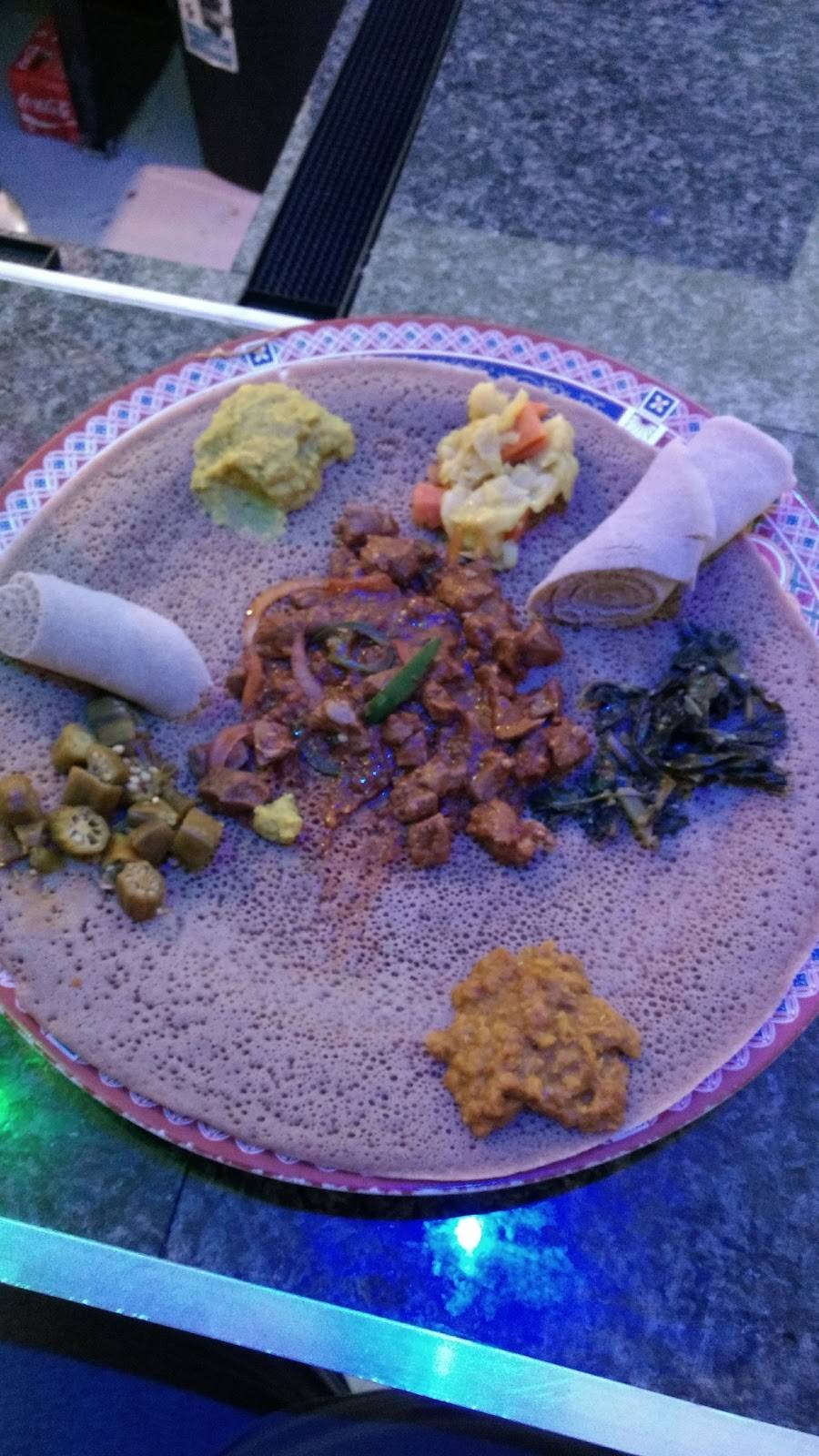
As the foundation of almost all Ethiopian food, injera is bread, utensil and plate rolled into one. It’s a sour, tangy flatbread made from the super grain teff, which has a spongy texture, ideal for soaking up flavour. Meals often come served dolloped onto a large, circular injera, a colourful palette of delicious curry-like stews, fresh salads and sautéed vegetables. Your choice of protein, cooked with additional high heat to make it crispy.
By tradition, meals are enjoyed communally and are served on a large, round platter. All diners eat from this common platter with their hands (right hand only, please) and are expected to wash their hands before eating. This means everyone can help themselves to anything they want, and diners get to sample a little bit of everything. Here are some essential dishes you need to know about and try. The ritual of the cutting, known as q’wirt, is a big part of tere siga, and, like other Ethiopian meat dishes, it’s usually reserved for the most important of celebrations. A clay-red stew of chickpeas and broad beans, shiro is a vegetarian’s best friend in meat-mad Ethiopia.
And because you'll probably get a taste of injera with every bite you take, its distinctive tang is one of the defining flavors of Ethiopian cuisine. Most people view it as a dish for special occasions, and it’s widely eaten on Orthodox Easter Sunday after 55 long days of fasting. In bigger cities, like Addis and Mekelle, it’s found year-round in special restaurants known as kitfo houses, where it’s the only thing on the menu. Wots, or stews, are a common Ethiopian dish, and one of the more common versions you'll see on restaurant menus is doro wot, or chicken stew. But put aside all thoughts of chicken pot pie filling or other familiar preparations –- doro wot is proof that ordering chicken doesn't mean settling for bland or familiar. And the good news is you won't have to – Ethiopian food is meant to be shared.
It’s a simple classic, cooked with red onions stir-fry style, accompanied with fresh greens and ever-present injera. Depending on how it’s garnished, it can be a mild or spicy dish. Heat things up with sliced fresh green chilli and plenty of berbere sauce.




No comments:
Post a Comment